
18/11/2026
Innovation and the circular economy: the two fundamental pillars for overcoming the challenges of water sanitation
On World Toilet Day tomorrow, the United Nations warns that only 58% of household wastewater worldwide receives adequate treatment before being returned to the environment.
Echoing the UN’s call to action, Aqualia is reinforcing its commitment to sustainable sanitation, decarbonisation, and the transformation of wastewater treatment plants into circular biofactories.
As part of its global awareness campaign, actuaconAqualia.com, the company promotes the responsible use of toilets to prevent the overloading of wastewater treatment infrastructure and protect ecosystems.
On the occasion of World Toilet Day tomorrow, the United Nations once again warns that 3.4 billion people worldwide still live without access to safely managed sanitation services and that only 58% of household wastewater worldwide receives adequate treatment before being returned to the environment. This year's observance, under the theme Safe Toilets, Equal Futures, also highlights how access to safe sanitation infrastructure protects the health, dignity and development opportunities of women and girls.
Against this backdrop of global water challenges, Aqualia highlights its sustainable management model, which treats more than 1.55 billion cubic metres of wastewater every year and provides services to 45 million people across 19 countries.
Sanitation management faces different demands in each territory. In emerging economies in Latin America and the MENA region (Middle East and North Africa), Aqualia’s priority is the implementation and expansion of sewerage and wastewater treatment networks. Large-scale projects such as the Chincha Wastewater Treatment Plant (WWTP) in Peru, the Abu Rawash WWTP in Cairo - one of the largest in Africa, with a treatment capacity of 1.6 million cubic metres per day - and the modernisation of sanitation systems in Colombian municipalities are representative examples of this commitment.
In areas where service coverage is already universal, such as Spain, technical challenges focus on energy optimisation, decarbonisation of the urban water cycle and the application of artificial intelligence to network management. To address these challenges, the company is developing a range of innovation initiatives and pioneering projects that translate its commitment to technological efficiency and the circular economy into tangible results.
A leading example is the Lleida wastewater treatment plant, where the integration of renewable energy self-generation through biogas and artificial intelligence algorithms has reduced emissions by 24%, making it the first municipal water service in Spain to certify a Net Zero Carbon Footprint. In addition, in the field of future energy carriers, Aqualia is leading pioneering demonstration projects in Andalusia, such as Eclosion in Jerez de la Frontera and Zeppelin in Algeciras, aimed at producing green hydrogen from reclaimed wastewater and organic matter.
Nature-based solutions for small communities are another strategic line of action. Technologies such as INTEXT and developments from the LIFE smallWAT project provide tailored solutions for small municipalities (84% of Spanish municipalities have fewer than 5,000 inhabitants), enabling rural wastewater treatment with minimal energy consumption while recovering nutrients for agricultural use. To tackle water scarcity, European projects such as LIFE Phoenix and the REUSA platform supply high-quality reclaimed water for agriculture in southern Spain and Portugal, while advanced membrane and ultrafiltration systems deliver fit-for-purpose water for highly demanding industrial processes.
Domestic sanitation management through actuaconaqualia.com
The proper maintenance of sanitation infrastructure largely depends on everyday household habits. Through its global "Don't Flush It" awareness campaign, Aqualia channels its educational initiatives via the digital platform actuaconaqualia.com, designed to inform and raise public awareness about how responsible use of household drains directly contributes to the efficiency and preservation of sewerage networks and wastewater treatment facilities.
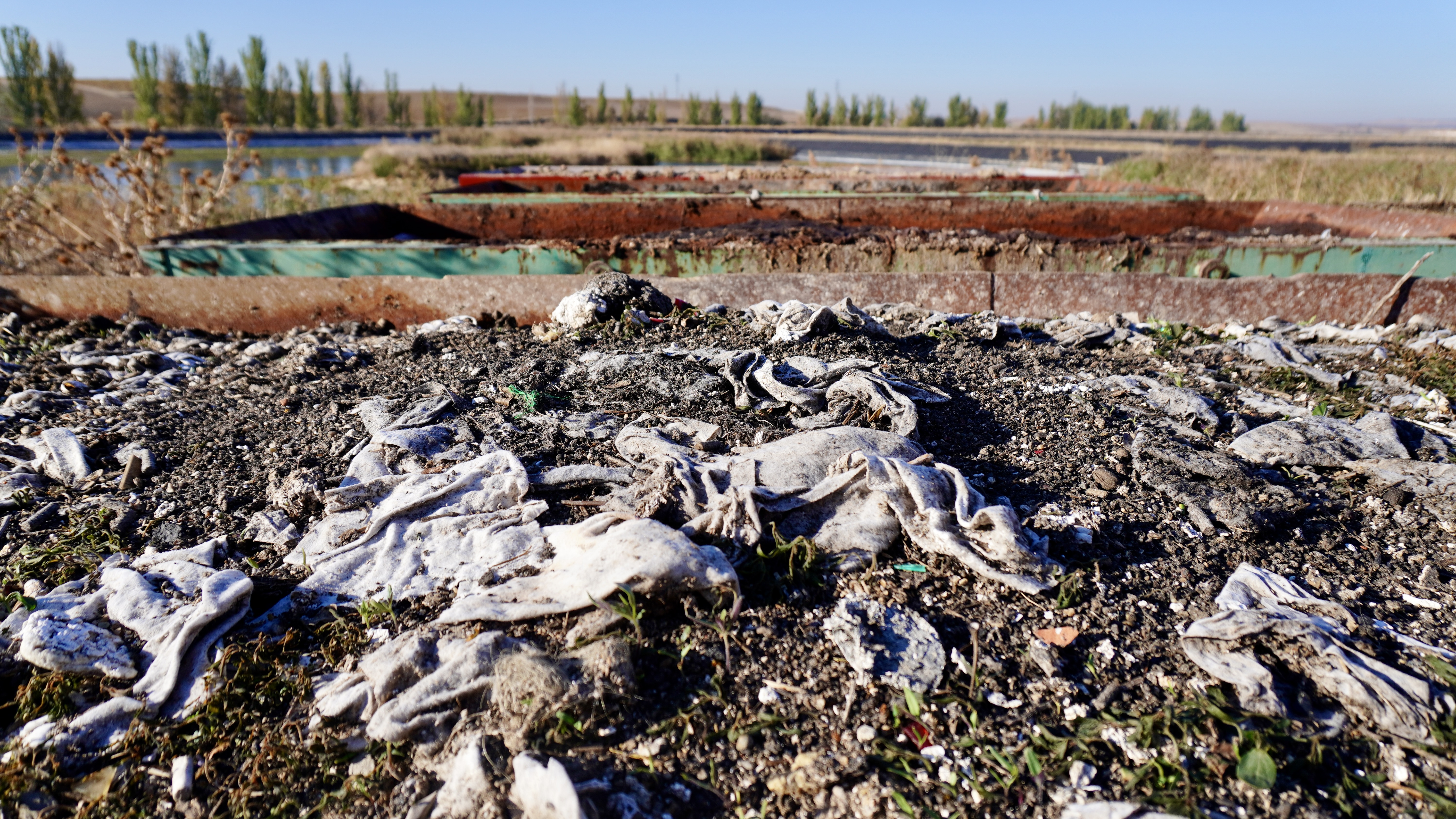
The platform’s main objective is to encourage sustainable behaviours that prevent inappropriate waste, such as wet wipes, hair, used cooking oils, food scraps and chemical products, from being disposed of down toilets or household drainage systems. The accumulation of these materials causes blockages in sewer collectors and places an additional burden on the initial screening and filtering stages of wastewater treatment plants. According to 2025 data, more than 12,500 tonnes of screening waste were collected from wastewater treatment facilities operated by Aqualia in Spain alone. These materials should never have entered the sewerage network. This situation increases maintenance requirements, resource consumption and wastewater management costs.
"Tomorrow, 19 November, we mark World Toilet Day. Although these systems are a fundamental part of the integrated water cycle in every municipality and are essential to the daily functioning of our towns and cities, they remain largely invisible to the public. Today, 3.4 billion people around the world still live without access to adequate sanitation services. Those of us fortunate enough to have these systems also have a responsibility to use them properly, avoiding the use of toilets as waste bins," Aqualia stresses.
Through ongoing collaboration with public authorities, research institutions and citizens, Aqualia remains committed to advancing sanitation solutions that are resilient, efficient and respectful of the natural environment.